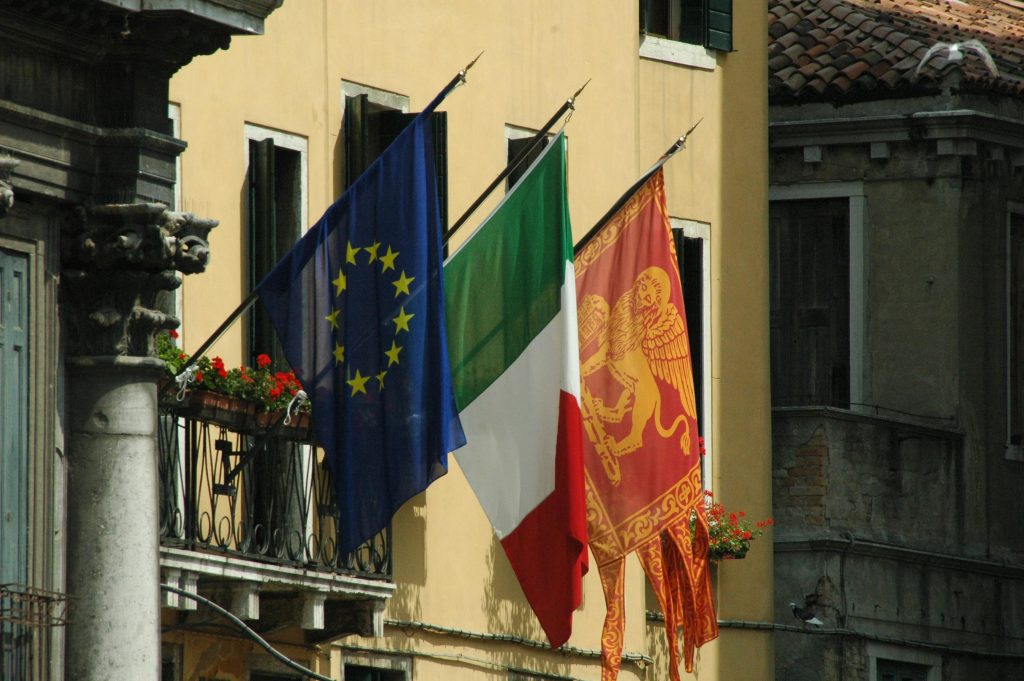
Studying in Europe is a dream for millions of students worldwide. From experiencing a rich cultural heritage to accessing high-quality education, Europe offers a unique opportunity to grow academically and personally. The good news? Getting a student visa for Europe has never been easier, especially with options like low-cost tuition, scholarships, and government-supported programs. In this article, we’ll guide you through the simplest ways to study in Europe in 2026, the benefits of a student visa, and step-by-step tips to make your dream come true.
Why a European Student Visa is So Attractive
A student visa allows you to live and study legally in Europe for the duration of your program. Here’s why it’s highly appealing:
- Affordable or Free Education: Countries like Germany, Hungary, and Romania offer tuition-free or low-cost programs.
- Work While Studying: Many European countries allow part-time work (usually 20 hours/week), which helps cover living expenses.
- Path to Permanent Residency: After graduation, students can often apply for work visas and eventually long-term residency.
- Cultural Experience: Living in Europe exposes you to diverse cultures, languages, and professional networks.
With these benefits, it’s no wonder that thousands of international students are choosing Europe every year.
Top Countries with Easy Student Visa Options
1. Germany – Tuition-Free Education
Germany is a favorite destination for international students. Most public universities offer free or very low tuition, even for non-EU students.
Key points:
- Work 20 hours/week allowed during studies
- Must show financial proof (~€11,000/year) for visa purposes
- Programs in English are available for most Master’s degrees
- Health insurance is mandatory (DAAD Germany)
2. Hungary – Stipendium Hungaricum Scholarship
Hungary’s Stipendium Hungaricum is a fully-funded scholarship program. Students can study bachelor’s, master’s, and PhD programs with benefits such as:
- Tuition-free education
- Monthly stipend for living expenses
- Dormitory or housing allowance
- Health insurance
- Assistance with visa and residence permits (Stipendium Hungaricum)
3. Romania – Affordable Programs
Romania is an often-overlooked option with low tuition fees and affordable living costs.
- Tuition: €2,000–€3,500/year
- Living costs: €300–€500/month
- English-taught programs available in medicine, engineering, and IT (Romanian Ministry of Education)
4. Estonia & Latvia – Fast-Track Work and Study Visas
For students with some work experience, countries like Estonia and Latvia provide fast-track visas where you can study and work legally. These countries offer modern universities, tech-oriented programs, and easier bureaucracy than larger nations.
How to Apply for a Student Visa in Europe
Although each country has its own process, the general steps are similar:
- Choose Your Program and University
- Research universities with programs in English
- Check tuition fees, scholarships, and course length
- Apply and Get Acceptance Letter
- Most universities require transcripts, diplomas, and a motivation letter
- Some scholarships (like Stipendium Hungaricum) require nomination from your country
- Prepare Your Visa Application
- Valid passport
- Proof of financial means
- Health insurance
- Admission letter
- Submit Your Application
- Usually via the country’s embassy or consulate
- Pay the visa application fee (varies by country)
- Attend Interview / Submit Additional Documents
- Some countries require a short interview or additional documents
- Processing usually takes 4–8 weeks
- Receive Your Visa and Travel
- Once approved, you can travel to Europe and start your studies
- Make sure to register at the local authorities upon arrival
Tips to Make Your Application Stronger
- Start Early: Begin the process 6–9 months before your intended start date.
- Highlight Your Motivation: Write a clear, compelling motivation letter.
- Check Scholarships: Programs like Stipendium Hungaricum or Erasmus+ can cover tuition and living costs.
- Prepare Finances: Even if tuition is free, you need proof of living expenses.
- Learn Basic Language: English is enough for most programs, but basic local language skills can help socially and professionally.
Benefits of a Student Visa in Europe
- Full Legal Residence During Studies
- Opportunity to Work Part-Time
- Access to Scholarships and Government Support
- High-Quality International Education
- Cultural Exposure and Networking Opportunities
- Potential Pathway to Work Visa and Permanent Residency
By following the steps above, students can maximize their chances of getting a visa and make their European dream a reality.
Conclusion
Studying in Europe in 2026 is more accessible than ever. With options ranging from tuition-free programs in Germany and Hungary to affordable studies in Romania, international students can find a pathway suited to their needs. A student visa doesn’t just allow education; it opens doors to work, travel, cultural experience, and even future permanent residency.
If you’re planning your next move, start researching programs, applying early, and exploring scholarship options. Your European adventure begins with one application — and it can change your life forever.
Useful Links
- Stipendium Hungaricum Scholarship – Hungary
- DAAD Germany – Study in Germany
- Romanian Ministry of Education
- Erasmus+ Program – EU Scholarships
About the Author